How Nepal’s Social Media Council Bill, 2081 BS Could Impact Students: A Closer Look

In a move that has sparked significant discussion across various sectors, the Nepalese government recently presented the Social Media Council Bill, 2081 BS in the National Assembly. Tabled by the Minister for Communications and Information Technology, Prithvi Subba Gurung, the Bill aims to regulate the growing use of social media platforms, holding users and operators accountable for their actions. While the government cites its goal of promoting social goodwill, cultural tolerance, and good governance, there are growing concerns about how this Bill will impact students, particularly in terms of their freedom of expression and online engagement.

Understanding the Social Media Council Bill, 2081 BS
The bill seeks to establish clear guidelines for social media operators and users, focusing on ensuring a safe and secure digital environment. Among its key provisions, it outlines the following:
Licensing for Digital Platforms: Companies or institutions operating digital platforms will need to obtain a license, valid for two years, to run social media sites in Nepal. Failure to comply with the regulations could lead to the revocation of their operating license.

Content Regulations: The Bill targets cyberbullying, identity theft, misinformation, hate speech, deep fake videos, and other harmful digital behaviors. It also aims to control the spread of content that could jeopardize national peace, security, or sovereignty.

Fines and Penalties: Users who engage in harmful online activities such as trolling, spreading false information, or engaging in online harassment could face fines of up to Rs 500,000. This would affect students who are active on social media platforms, potentially limiting their ability to express themselves freely.

How Will This Affect Nepalese Students?

  1. Impact on Freedom of Expression
    One of the main concerns about the bill is its potential effect on freedom of speech and expression. While the government’s intention is to curb harmful content, such as hate speech and cyberbullying, there is worry that the broad nature of the regulations could also suppress legitimate expression. For students who use social media to engage in activism, academic discussions, or even personal expression, the fear of unwarranted censorship or punishment could lead to self-censorship and limited discourse online.
  2. Education and Learning
    Many students rely on social media platforms for educational content, online courses, webinars, and knowledge-sharing. However, the new Bill’s stringent content regulations could restrict access to certain types of content or make platforms overly cautious about the content they allow. Students who use YouTube, LinkedIn, and other social media for professional networking, learning, and career growth might find themselves limited by the need for companies to censor certain types of content to comply with the Bill.
  3. Online Privacy and Data Security
    One of the Bill’s main selling points is its promise to improve information security, privacy of personal data, and cyber security. While this is an encouraging development, students will need to remain vigilant about their online footprint. The fear of stricter regulations could cause students to reconsider how much personal information they share on social media, which could have implications for those looking to build their online presence, especially for career networking or self-branding.
  4. Fines and Accountability
    With fines of up to Rs 500,000 for users who engage in online activities deemed harmful, students may feel more apprehensive about their interactions on social media. The Bill’s broad scope, covering actions such as posting, liking, commenting, or tagging with the “wrong intention,” means that students could be penalized for actions that may seem innocuous or unintentional. This could make students more cautious, reducing their willingness to participate in conversations or share content freely.
  5. A Changing Social Media Landscape
    The implementation of the Social Media Council Bill will undoubtedly reshape the way social media operates in Nepal. With stricter regulations on digital platforms, students may find themselves navigating a more controlled online space. This could impact everything from group discussions, student activism, and university-related social media projects to career-building efforts on platforms like LinkedIn. It may also push students to look for new, alternative platforms to communicate or organize, especially if they feel stifled by existing social media regulations.

Conclusion: Adapting to a New Digital Environment
As Nepal moves forward with the Social Media Council Bill, students will need to adjust to the new reality of a more regulated digital space. While the intent of the Bill is to foster a safer, more secure online environment, students must stay informed about how the new regulations will affect their digital interactions. Understanding the implications of the Bill will help students protect their rights to freedom of expression, navigate the new rules on digital conduct, and continue using social media platforms in a responsible and creative way.


For AI Enthusiasts: A Fascinating Journey Through the History of Artificial Intelligence

Upon hearing the term “Artificial Intelligence,” many immediately picture familiar virtual assistants such as Alexa and Siri, advanced technologies like ChatGPT, or iconic portrayals from movies like The Terminator or TV series such as the Kdrama My Holo Love. These instances often align with a narrow but prevalent perspective on AI, encapsulating contemporary innovations and cultural references that shape the ongoing history of artificial intelligence.

Artificial Intelligence (AI) isn’t merely a futuristic idea confined to sci-fi realms; it’s a pervasive part of our everyday experiences. Whether it’s the personalized recommendations on streaming platforms like Netflix or the optimized routes suggested by ride-sharing services such as Pathao, AI permeates various aspects of modern life. 

This intricate ecosystem of interconnected technologies has steadily evolved over decades, contributing to its current complexity and ubiquity. Understanding the history of AI unveils a layered narrative, showcasing the diverse tools and capabilities that have molded it into the game-changing force it represents today.

Tracing the trajectory of AI’s development is key to comprehending its present importance and preparing for its future implications. By examining its origins and evolutionary path, we gain valuable insights into how AI has transformed from a conceptual idea into a transformative technology that profoundly influences our daily routines and shapes industries across the spectrum. grasping the past paves the way for harnessing the potential of AI in our ever-evolving world.

History of Artificial Intelligence from Academic Roots to Practical Progress

AI’s origins lie within the academic halls of prestigious university research departments, initially pondered by scholars envisioning computing’s future. However, its infancy tethered it to these domains, hampered by scarce data and limited computational prowess.

A pivotal moment arose in 1956 at Dartmouth College, where the renowned Dartmouth Summer Research Project on Artificial Intelligence convened. This workshop aimed to validate the notion that machines could simulate learning with precision—a groundbreaking hypothesis explored by 20 researchers.

In subsequent years, significant strides marked AI’s trajectory. American psychologist Frank Rosenblatt’s perceptron algorithm, born from Dartmouth’s research, demonstrated successful binary classification, offering glimpses into artificial neurons’ learning potential. Concurrently, John McCarthy, an attendee of the Dartmouth project, along with MIT students, pioneered Lisp, a novel programming language laying the groundwork for future advancements like the SHRDLU natural language program and others.

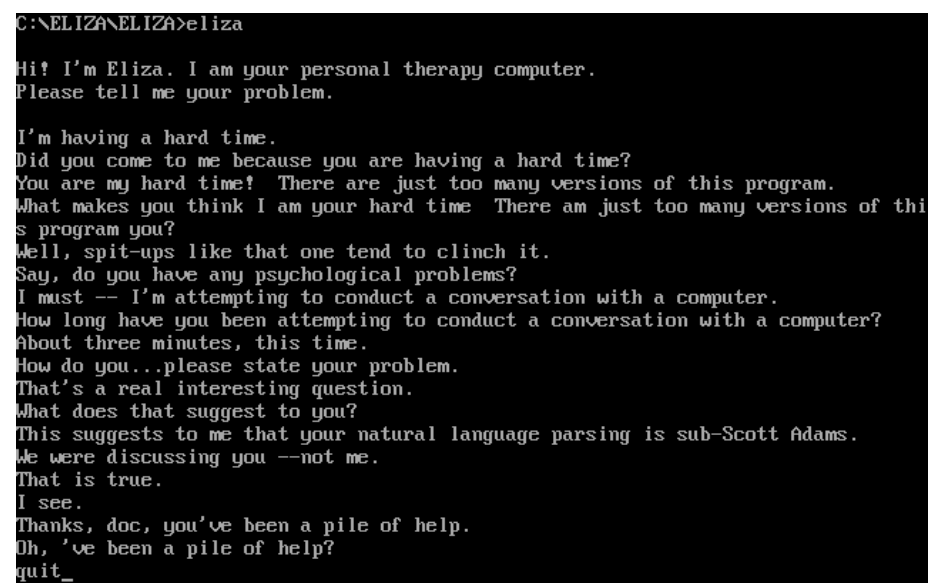
The 1960s witnessed the emergence of Simulmatics, a company claiming to predict voting patterns based on demographics. By 1965, “expert systems” surfaced, allowing AI to tackle specialized problems using factual databases and inference engines. MIT professor Joseph Weizenbaum’s Eliza in 1966 showcased AI’s intelligence by engaging users as pseudo-therapists, responding to their inputs with open-ended questions.

However, by the mid-1970s, dwindling faith in AI among governments and corporations led to funding shortages, marking the onset of the “AI winter.” Despite brief revivals in the 1980s and 1990s, AI remained largely relegated to science fiction, steering clear of serious computer science discourse.

It wasn’t until the late 1990s and early 2000s that AI saw widespread adoption of machine learning techniques, including Bayesian methods from spam filtering by Microsoft and collaborative filtering for Amazon recommendations, marking a resurgence in AI’s practical applications.

AI in the 21st Century: Revolutionary Pilot Programs and Real-world Applications

During the 2000s, a confluence of factors, including increased computing power, expansive datasets, and the ascent of open-source software, empowered developers to engineer advanced algorithms. This technological wave promised swift and transformative change across scientific, consumer, manufacturing, and business sectors within a remarkably brief period. Today, AI is an integral part of numerous business operations, attaining tangible reality.

For instance, McKinsey’s research highlights a staggering 400 instances where companies actively leverage AI to tackle various business challenges. These real-world applications of AI exemplify its widespread adoption and effectiveness in addressing multifaceted business issues.

Likewise, in the early to mid-2000s web revolution introduced significant changes to AI research. Foundational technologies like Extensible Markup Language (XML) and Google’s PageRank altered data organization, facilitating AI integration.

XML played a crucial role in shaping the semantic web and bolstering search engine capabilities, while PageRank redefined web organization. These innovations enhanced data accessibility for AI, rendering vast amounts of information more navigable.

Simultaneously, database improvements in data storage and retrieval, alongside advancements in functional programming languages, streamlined data manipulation for developers and researchers. These combined tools provided a fertile ground for advancing AI technology.

Artificial Intelligence’s Potential: Evolution through Neural Networks and Deep Learning

AI held ambitious promises throughout the 20th century, yet limited computing power posed significant barriers to realizing these ambitions. However, as the 21st century dawned, computers underwent an exponential surge in capability, becoming proficient in storing, processing, and analyzing massive volumes of data. This paradigm shift paved the way for translating the ambitious goals of neural networks and deep learning into tangible realities.

Researchers made strides by curating datasets explicitly tailored for machine training, culminating in the creation of neural networks like AlexNet. Unlike earlier methods reliant on datasets numbering in the tens of thousands, advancements in graphics processing units (GPUs) allowed for datasets to reach tens of millions, significantly enhancing machine learning capabilities.

In 2006, Nvidia, a leading computer chip manufacturer, introduced CUDA, a parallel computing platform that harnessed the power of GPUs to drastically accelerate computational speeds. This monumental leap facilitated the execution of large, intricate machine-learning models through platforms such as TensorFlow and PyTorch, propelling innovation in the field.

As these platforms evolved into open-source libraries, they democratized AI, enabling widespread experimentation. This democratization empowered the inception and growth of groundbreaking tools like AlphaGo, Google DeepMind, and IBM Deep Blue, fostering an era of exciting advancements in artificial intelligence.

The journey through the history of artificial intelligence, from its academic origins to its practical applications in the 21st century, is a testament to the relentless pursuit of innovation. As we trace AI’s evolution, we witness a remarkable narrative of perseverance, breakthroughs, setbacks, and resurgence. From the constrained academic domains of the past to the wide-scale adoption in enterprises today, AI’s story reflects not just technological advancement but also the human endeavor to push boundaries and harness the potential of evolving technologies. 

The vibrant tapestry of AI’s history sets the stage for an even more promising future, where the fusion of human ingenuity and cutting-edge technology continues to reshape industries, revolutionize problem-solving, and redefine our interaction with the world. As we stand on the precipice of unparalleled advancements, the legacy of AI’s history guides us, offering invaluable insights into the past and serving as a beacon to navigate the limitless possibilities that lie ahead in the dynamic landscape of artificial intelligence.

Power of Artificial Intelligence in Network Security: From Fraud Detection to Edge Computing in Telecom Infrastructure

In today’s hyper-connected digital landscape, the evolution of technology has brought about both opportunities and challenges. With the proliferation of devices and the exponential growth of data, ensuring robust network security has become a critical concern for individuals, businesses, and industries worldwide. Among the myriad tools available to fortify network security, the role of Artificial Intelligence (AI) in network security emerges as a pivotal game-changer. AI presents multifaceted solutions, spanning from fraud detection to enhancing telecom infrastructure through edge computing, significantly shaping the landscape of AI in network security.

Artificial Intelligence Role in Network Security

Within the ever-shifting terrain of cybersecurity, safeguarding sensitive information and infrastructure is paramount, and network security serves as its foundational bastion. Artificial Intelligence (AI) has emerged as a formidable ally in strengthening network security, offering sophisticated tools and capabilities to swiftly and accurately detect, prevent, and counter cyber threats, thereby fortifying defenses against evolving dangers.

Threat Detection and Prevention

AI-powered systems leverage machine learning algorithms to analyze vast amounts of data in real-time. This analysis helps identify patterns, anomalies, and potential threats that traditional rule-based systems might miss. AI systems, drawing from history, adapt to new threats to detect and prevent cyber-attacks proactively, averting significant damage.

Detection and Behavioral Analysis

AI’s strength lies in its ability to discern normal patterns of behavior within a network. By continuously analyzing network activities and user behaviors, AI can detect deviations that signal potential security breaches. Behavioral analytics powered by AI assist in distinguishing between legitimate user actions and malicious intent, enabling swift responses to mitigate risks.

Rapid Response and Adaptation

One of AI’s primary advantages in network security is its capacity for rapid response and adaptation. These systems can autonomously respond to security incidents in real-time. By employing predictive analysis and predefined response protocols, AI can contain threats, minimizing their impact while continuously evolving to counter new and emerging threats effectively.

Advanced Threat Identification

AI-driven cybersecurity tools excel in identifying sophisticated threats such as zero-day attacks, polymorphic malware, and advanced persistent threats (APTs). Through deep learning techniques, AI systems can analyze complex data structures like network traffic and system logs, uncovering subtle indicators of potential threats that evade traditional security measures.

Automation and Efficiency

AI automation streamlines routine security tasks, enabling cybersecurity professionals to focus on strategic initiatives. Automated processes in threat detection, incident response, and vulnerability management significantly enhance efficiency and reduce response times, which is crucial in the rapidly evolving threat landscape.

Future Outlook

As cyber threats continue to evolve in complexity and frequency, the integration of AI in network security remains pivotal. The ongoing advancements in AI technologies, including machine learning, deep learning, and neural networks, promise further innovations in fortifying network defenses and ensuring the resilience of critical infrastructure.

AI’s role in network security will continue to evolve, offering enhanced capabilities in threat detection, incident response, and predictive analytics. Adapting AI-driven solutions will be essential for organizations seeking robust defenses against the ever-adapting landscape of cyber threats, ensuring the protection of valuable data and infrastructure in an increasingly interconnected digital world.

AI and Edge Computing in Telecom Infrastructure

Telecommunication networks face the challenge of handling vast amounts of data while ensuring low latency and high-speed connectivity. AI’s integration with edge computing has emerged as a transformative solution, revolutionizing telecom infrastructure in the following ways:

Enhanced Network Performance

Telecom operators can optimize network performance by deploying AI algorithms at the network edge. AI-driven analytics predict network congestion, dynamically allocate resources, and optimize bandwidth, ensuring seamless connectivity even in high-demand scenarios.

Real-time Data Processing

With AI, Edge computing enables real-time data analysis closer to the source, reducing latency significantly. This is crucial for applications like autonomous vehicles, IoT devices, and smart cities that require instantaneous decision-making capabilities.

Improved Security Measures

AI-integrated edge devices can bolster security by detecting and mitigating threats at the network’s edge. These systems can identify anomalies in network traffic, secure endpoints, and prevent potential breaches, enhancing overall network security.

Therefore, combining Artificial Intelligence with network security and telecom infrastructure has heralded a new era of proactive defense mechanisms and optimized performance. AI’s ability to learn, adapt, and respond in real-time empowers industries to stay ahead in the ongoing battle against cyber threats. Furthermore, its integration with edge computing not only fortifies network security but also lays the foundation for a more efficient, responsive, and interconnected digital ecosystem.

As technology continues to evolve, the utilization of AI in network security will remain pivotal in safeguarding sensitive information, maintaining robust infrastructure, and enabling the seamless operation of the interconnected world we live in. Embracing the power of AI in network security is not merely an option; it’s a necessity in the digital age.

Enhance Your Job Placement Opportunities: Steps to a Better LinkedIn Profile in 2024

In today’s competitive job market, LinkedIn stands out as a powerful ally for professionals and students. Often misconceived as solely a platform for seasoned professionals, LinkedIn is equally beneficial for students in paving their way toward successful career paths. Remarkably, data reveals that 98% of recruiters and 85% of hiring managers actively utilize LinkedIn as their primary tool for identifying and engaging potential candidates. Therefore,  leveraging the power of LinkedIn can significantly boost your chances of landing your dream job. Hence, in this blog, you can discover how you can make your LinkedIn profile better and transform your profile presence into a powerful asset for career advancement for both, professionals and students!

10 Strategic Steps on How to Make Your LinkedIn Profile Better

LinkedIn serves as a dynamic platform connecting millions of professionals worldwide, offering invaluable resources for job seekers. Through its extensive network, users can explore job listings, connect with recruiters, and gain insights for career advancement. 

Additionally, LinkedIn allows individuals to showcase their expertise, skills, and accomplishments, serving as a virtual resume that can attract potential employers. Therefore, optimizing your profile is crucial in making a lasting impression and increasing your visibility to recruiters and hiring managers. To empower your profile and amplify its impact within this expansive platform, here are ten strategic tips curated to elevate your LinkedIn presence and open doors to new professional horizons.

Choose the Right Profile Picture

Select a professional and clear profile picture where your face is easily visible. A high-quality image with appropriate attire and a friendly yet professional demeanor can create a positive first impression.

Highlight Education and Achievements

Showcase your educational background, certifications, courses, and any academic achievements. This gives visitors a quick overview of your qualifications and expertise.

Highlight Experiences and Internship Adventures

Describe your work experiences, internships, and any significant projects undertaken. Emphasize key responsibilities, achievements, and skills gained during these roles.

Create a Skill Section

Utilize the skills section to list your competencies. Incorporate industry-related keywords and relevant abilities to increase visibility and showcase your expertise.

Professional Branding

Developing a strong personal brand is integral to career progression. LinkedIn serves as an ideal platform to cultivate a compelling professional brand. By sharing relevant content, contributing to discussions, and showcasing expertise, individuals can solidify their reputation as industry leaders.

Build a Strong Network

Connect with colleagues, classmates, mentors, and professionals from your field. Expanding your network broadens opportunities for collaboration, knowledge sharing, and potential job prospects.

Customize Your Connection Requests

Personalize connection requests when reaching out to professionals. Explain your intent behind the connection and how you may be able to mutually benefit from the connection.

Utilize Keywords Strategically

Incorporate industry-specific keywords throughout your profile, including in your headline, summary, experience descriptions, and skill section. This optimization helps improve your profile’s visibility in searches.

Network and Connect With Recruiters

Actively engage with recruiters and HR professionals in your field. Building relationships with them can increase your visibility for job opportunities and keep you informed about industry trends and openings.

Engage in Groups and Content

 Join industry-related groups and participate in discussions. Sharing insightful content or engaging in discussions can demonstrate your expertise and expand your network.

Stay Updated

Regularly update your profile with new skills, experiences, achievements, and any professional development activities. Engage with connections and stay current with industry news and trends by sharing and interacting with relevant content.

It is essential to enhance your LinkedIn profile, a necessity not only for professionals but also for students seeking to chart a successful career path. Acknowledging this importance, our students at Sunway College Kathmandu diligently follow the steps outlined below, aligning themselves with various initiatives aimed at refining their LinkedIn profiles.

These proactive efforts are designed to enhance their prospects of securing desirable job placements. Likewise, before diving into the steps on how to make your LinkedIn profile better, let’s explore how students at Sunway College Kathmandu leverage their LinkedIn profiles through impactful activities.

Sunwayians adeptly utilize their LinkedIn profiles through various initiatives, including:

  • Participation in training sessions and workshops dedicated to LinkedIn usage.
  • Mandatory creation of LinkedIn profiles as an integral part of the curriculum.
  • Showcasing non-credit online courses and project work on their profiles to exhibit their skills and expertise.
  • Displaying Data Science, AI, and IoT projects completed during their course tenure.
  • Early networking and active usage of the platform to foster connections and opportunities.
  • Participation in the SSRC (Sunway Student Representative Council) alongside early networking and leveraging the online platform effectively, serves as instrumental tools for our students to foster connections, seize networking opportunities, and expand their professional circles through LinkedIn.
  • Participation in paid internships during their 3rd-year Professional Placement.
  • Preparing meticulously for professional entry even before graduation.

Explore more of the vibrant Sunway life and experience the essence of our community firsthand!

Discover The Best Python Courses In Nepal.

Eager to develop a genuine passion for Python programming? If that’s the case, prepare for an exciting journey as we discover the best Python courses in Nepal. In the field of tech education, Python has surged in popularity as a programming language, becoming the go-to choice for various applications such as data analysis, machine learning, web development, and more. Python, a high-level programming language course renowned for its simplicity and adaptability, has garnered significant traction in Nepal across diverse industries. Its user-friendly nature, clear syntax, and robust functionalities make it an ideal choice for both novices and seasoned professionals in the country’s tech landscape.

An Overview of Python

Python, revered for its versatility and ease of use, has garnered a wide spectrum of admirers ranging from beginners to seasoned developers. Its robustness, coupled with user-friendliness, has established it as a go-to language in the programming world. Python’s extensive library ecosystem empowers developers to craft sophisticated applications, making it a cornerstone in the tech world.

What truly distinguishes Python is its dynamic, object-oriented nature, which enables the creation of clean and efficient code. Its emphasis on logical structure and readability fosters an engaging programming experience, encouraging exploration and experimentation. This inherent simplicity of Python not only invites but also brings up creativity, making it a preferred choice for developers worldwide.

Why Python is Popular within the Developers’​ Community?

Several key factors underpin Python’s popularity within the developers’ community. First and foremost is its innate simplicity and readability. Python’s syntax closely resembles natural language, making it highly approachable for both beginners and seasoned developers. Its ease of comprehension reduces coding time and minimizes debugging efforts, attracting a broad spectrum of programmers.

Another pivotal aspect contributing to Python’s appeal is its versatility and flexibility. This language finds extensive applications across diverse domains such as web development, data analysis, scientific computing, artificial intelligence, and more. Its adaptability in handling varied tasks without significant code alterations makes it an indispensable tool for developers across industries.

The wealth of libraries and frameworks available in Python plays a significant role in its widespread adoption. With packages like NumPy, Pandas, TensorFlow, Django, and others, developers benefit from ready-to-use tools that significantly expedite the development process. These libraries serve as robust foundations for various applications, contributing to Python’s allure.

Enroll Now and Explore the World of Data Analysis with Python!

Python’s vibrant and expansive community is another contributing factor to its popularity. The active global community continuously contributes to the language’s growth by sharing knowledge, providing support through forums, and creating an array of resources like tutorials, documentation, and open-source projects. This collaborative environment fosters learning and innovation, attracting developers to engage and contribute.

Moreover, Python’s dominance in data science and machine learning further propels its popularity. Its user-friendly nature, coupled with libraries such as SciPy, sci-kit-learn, and Keras, positions Python as the preferred choice for data-related tasks and AI development.

Lastly, Python proficiency holds substantial value in the job market, offering abundant career opportunities. Its widespread adoption across industries highlights its efficiency, versatility, and relevance, making it an attractive skill set for employers seeking adaptable and proficient developers.

Why Choosing Python Courses at Sunway College Kathmandu is the best option for you?

Choosing Sunway College Kathmandu for your Python journey offers a host of exclusive advantages that set us apart. Our courses, such as the “BSc (Hons) Computer Science with Artificial Intelligence” affiliated with Birmingham City University, UK, and the “Data Analysis with Python” short course affiliated with NCC Education, UK, provide global recognition. Aligned with international benchmarks, these affiliations ensure that our curriculum meets high standards, granting students a competitive edge in the job market.

Moreover, we acknowledge the significance of not just acquiring Python skills but leveraging them for career advancement. Hence, our courses include dedicated career guidance sessions. These sessions assist students in exploring various career paths and opportunities within Python programming and data analysis, fostering holistic growth.

See What Awaits on Your Bachelor’s Journey in Artificial Intelligence (AI).

At Sunway College Kathmandu, our courses are facilitated by seasoned trainers possessing comprehensive theoretical knowledge and practical industry experience. Through personalized guidance and mentorship, students gain a deep understanding of Python concepts, enhancing their proficiency effectively.

Our specialized curriculum spans a wide spectrum of Python programming, covering fundamental concepts to advanced data analysis techniques. Students explore topics such as data visualization, statistical analysis, and more, empowering them to apply Python in real-world scenarios competently.

The courses encompass an extensive range of topics, including but not limited to Introduction to Python, Control Structures, Functions and Modules, Data Structures, Numpy and Pandas for Data Analysis, Data Visualization, Exploratory Data Analysis (EDA), Statistical Analysis, Computer Programming, and Natural Language Processing. This comprehensive coverage ensures a well-rounded learning experience tailored to equip students with in-demand skills and expertise in Python programming and data analysis.

Ready to start on your Python journey? Apply now and seize the opportunity to gain valuable skills and insights with Sunway College Kathmandu!

Is AI Reshaping Nepal’s Future? Discover the Impact of Artificial Intelligence in Nepal!

The integration of Artificial Intelligence (AI) in various sectors worldwide has become a focal point of modern technological advancements and scholarly discussions. In Nepal, while AI adoption is still in its developing stages compared to the global landscape, its emergence signifies a growing part of daily life in the country. Understanding the basics of AI and its applications in Nepal is essential in grasping its evolving role within the nation.

Nepal, renowned for its stunning landscapes and rich cultural heritage, is at the forefront of transformative technological advancements, particularly in Artificial Intelligence (AI). This central shift presents a landscape with opportunities and challenges that hold the potential to significantly shape the country’s trajectory.

AI, often acclaimed as the ‘Fourth Industrial Revolution,’ is swiftly spreading diverse sectors in Nepal, spanning from agriculture, healthcare, and education to finance. This technological wave is unlocking extraordinary potential, moving the nation toward a more technology-driven future.

Advancements in Agriculture through AI

Agriculture, the backbone of Nepal’s economy, is undergoing a revolution driven by AI adoption. AI tools aid in crop management, pest control, and resource optimization. Predictive analytics powered by AI enable informed decisions on planting cycles, weather forecasts, and soil quality, enhancing productivity and sustainability. This technology transforms farming practices, offering proactive solutions, reducing reliance on pesticides, and optimizing resource usage. It empowers farmers with predictive insights, reshaping traditional methods and contributing to economic growth in Nepal.

Revolutionizing Healthcare with AI Integration

In remote regions of Nepal, AI has become a pivotal tool in transforming healthcare accessibility. Through AI-powered telemedicine platforms, individuals in these distant areas can now receive diagnostic evaluations and consultations without the need to travel long distances. This advancement ensures that medical expertise is readily available and accessible to those who might otherwise struggle due to geographical constraints.

Moreover, AI plays a significant role beyond immediate consultations. It contributes extensively to predicting diseases, discovering new drugs, and shaping personalized treatment plans for patients. These applications of AI technology have sparked a revolution in Nepal’s healthcare sector, enabling earlier detection of illnesses, more effective drug development, and the customization of treatment approaches based on individual patient needs. This transformative impact is gradually improving healthcare outcomes and narrowing the gap in medical services between remote regions and urban centers in Nepal.

Reinventing Education through AI

In Nepal’s education system, the integration of AI technology has significantly transformed the traditional learning experience. Through the utilization of AI-powered adaptive learning platforms, students now have access to customized educational resources and tools. These platforms utilize sophisticated algorithms to analyze individual learning patterns and preferences, eventually providing personalized content and assessments that align with each student’s needs.

The primary goal of this innovative approach is to enhance learning outcomes by catering to the specific requirements of each learner. By delivering tailored educational materials, these AI-driven systems aim to address the diverse learning styles and paces of students, thereby fostering a more effective and engaging learning environment.

Moreover, the integration of AI in education in Nepal seeks to democratize access to quality education. By leveraging technology, these platforms can potentially reach remote areas and underserved communities, thereby bridging the gap in educational disparities and providing more equitable opportunities for learning.

Overall, the infusion of AI in Nepal’s educational landscape represents a promising shift towards personalized and inclusive learning methodologies that strive to optimize learning experiences and improve educational outcomes for students across the country.

Economic Opportunities and the Role of AI Companies in Nepal

AI is significantly reshaping various industries and playing a crucial role in boosting economic prospects within Nepal. Both appearing startups such as Fusemachines Nepal and established companies like Paaila Technology are actively delving into AI-driven solutions. Their focus on innovative AI applications not only fuels creativity but also propels economic expansion.

This flow in technological advancements isn’t just limited to innovation; it’s creating job avenues and drawing substantial investments into Nepal’s rapidly growing tech landscape. As AI continues to evolve, it’s fostering an environment ripe for economic growth, presenting opportunities for employment, and encouraging investors to participate in Nepal’s burgeoning tech industry.

The Evolution of AI in Nepal

Nepal’s adoption of artificial intelligence (AI) is on the rise, although it mainly utilizes what’s termed as “weak AI,” exemplified by applications such as Siri and Google Assistant found on smartphones. These technologies demonstrate basic AI functionalities and are widely used within the country.

However, Nepal is undergoing a transformation in its approach to AI. There’s a noticeable shift, with educational institutions introducing specialized courses in AI, providing to the growing interest and demand for expertise in this field. Moreover, there are pioneering AI companies in Nepal that are spearheading initiatives and advancements in AI development. These companies are playing a pivotal role in driving innovation and progress in the world of artificial intelligence within the country.

The gradual integration of AI-focused educational programs and the presence of leading AI companies signify Nepal’s increasing commitment to advancing AI technologies. This evolution suggests a growing recognition of the importance of AI and its potential impact on various sectors within Nepal, indicating a promising future for AI development and application in the country.

Challenges and Ethical Considerations

Yet, Nepal encounters difficulties in effectively overseeing the use of AI technology. The absence of thorough rules and regulations raises ethical issues, particularly regarding the protection of data, biases within algorithms, and unequal access to digital resources. Despite the promising vision outlined in Nepal’s Digital Nepal Framework, it lacks in-depth consideration regarding ethical aspects of AI. This deficiency highlights the urgent need for legislative reforms that can govern the deployment of AI more efficiently and ethically in the country.

Towards a Balanced Future with AI

Promoting AI usage in Nepal demands comprehensive regulations aligned with ethical considerations. Educating people about AI ethics is critical to reduce risks associated with unregulated AI adoption. Balancing technological advancement with ethical practices is crucial for AI to benefit society without compromising individual rights or creating discriminatory biases.

To sum it up, Nepal stands at a crossroads in its AI evolution, requiring proactive measures to harness AI’s potential while safeguarding ethical principles and individual rights. Striking a balance between technological innovation and ethical governance is pivotal for Nepal’s sustainable development and societal well-being in the AI-driven future.

Furthermore, in Nepal, the rise of Artificial Intelligence (AI) is reshaping various sectors, creating a demand for skilled professionals in this field. At Sunway College Kathmandu, the best AI college in Nepal, with a motto of creating future AI leaders, we understand the significance of AI in today’s world and offer advanced courses to meet the demands of this rapidly evolving industry.

Our AI-focused curriculum equips students with practical knowledge and direct experience in AI applications across sectors like agriculture, healthcare, finance, and education. With collaborations with leading AI companies in Nepal and real-world projects, our courses prepare students for the dynamic landscape of AI.

Which College Offers the Best Program for Artificial Intelligence in Nepal?

The landscape of education in Nepal has been dynamically evolving, especially with the integration of artificial intelligence (AI) into the academic curriculum of various schools and colleges affiliated with both national and international universities. AI, often called the simulation of human intelligence in machines, has gained prominence for its ability to replicate human behavior, actions, and cognitive processes. Therefore, it is reshaping industries across the board.

AI’s impact spans wide-ranging sectors from finance to healthcare and manufacturing, optimizing processes, enhancing efficiency, and revolutionizing how tasks are accomplished. Consequently, the demand for proficient AI professionals has surged, creating a lucrative job market across diverse industries.

Within the realm of computer science, AI stands out as a sought-after field, offering students an array of courses such as diplomas, degrees, and certification programs. The allure of AI education lies not only in its multidisciplinary approach but also in the promising career opportunities it presents. Job roles like Machine Learning Engineer, Data Scientist, Big Data Engineer, and Research Scientist are among the highest-paying positions in this field, underscoring the value of expertise in AI.

Considering Bachelor’s Degree In Artificial Intelligence (AI)

The applications of AI are multifaceted, encompassing a range of activities such as Expert Systems, Speech Recognition, Planning, Learning, Problem Solving, and Machine Vision. AI’s versatility allows for its integration into various domains, making it a pivotal aspect of technological advancement in today’s world.

In Nepal, institutions offering AI courses emphasize a comprehensive approach, blending classical methods with contemporary technological advancements. These programs typically encompass a mix of coding languages and theories, fostering a robust understanding of AI’s intricate concepts. The academic coursework in AI often merges elements of Computer Science and Machine Learning, providing students with a well-rounded education in this burgeoning field.

Therefore, Sunway College, the best AI college in Nepal stands out as one of the best colleges offering Artificial Intelligence courses in Nepal, providing you with an opportunity to elevate your career with expert knowledge in this field.

Shape Your Path as a Future AI Leader with Sunway College Kathmandu

Sunway College Kathmandu, the best AI college in Nepal shines as a pioneer in delivering comprehensive AI education, standing firm as a beacon of excellence in this evolving landscape. Our commitment to excellence in this rapidly evolving field is evident through our dedication to advanced technologies and the delivery of top-tier academic experiences.

Our institution stands out as a pioneer in AI education, showcasing a comprehensive curriculum designed to ensure that students receive not only theoretical knowledge but also practical experience. We highlight the importance of staying ahead in AI education, reflected in our strong curriculum, expert faculty, and futuristic facilities. This dedication ensures that our students gain a holistic and practical understanding of AI concepts and applications.

Our program, the ‘BSc (Hons) Computer Science with AI,’ in affiliation with Birmingham City University, UK, is an indication of our commitment to global standards. Covering a wide range of subjects from foundational AI principles to contemporary trends such as Deep Neural Networks and Ethics, this program equips students with essential skills in programming, data management, and cybersecurity.

In addition to our Bachelor’s program, we offer flexible short courses in Data Science and AI, and Data Analysis with Python. These courses, in partnership with NCC Education, UK, are tailored to provide an accessible path for individuals keen to explore the dynamic world of AI and data analysis.

At Sunway College Kathmandu, we are honored to nurture future AI leaders, offering an inclusive and enriching environment where students can search into the exciting realms of Artificial Intelligence. Join us in shaping the future of AI education!

Join Sunway College Kathmandu and be the AI pioneer Nepal needs!

Why is the Scope of Data Science a Compelling Career Choice in Nepal?

In today’s world, we are witnessing an unprecedented surge in data generation. This data serves as the lifeblood for businesses, fueling their growth and development. However, this data is often unstructured and stored in the cloud, necessitating the expertise of data scientists to process and harness it into a valuable asset. Similarly, the extensive influence of data-driven technology is reshaping not only our daily lives but also businesses, a transformation that has accelerated over the past decade.

Data science, with its primary objective of searching deep into data to display hidden potentials and deliver tangible value, has become an integral component of businesses across all sectors. Additionally, the unyielding demand for data analysis has established a unique niche for data scientists in the business landscape.

In this blog, you will learn the importance and scope of data science. Likewise, we will discuss the data scientist’s future scope to help you reach higher-paying positions in the industry. Moreover, this blog will uncover the scope of data science in Nepal and answer why data science is a good career option.

What is Data Science?

Data Science is more than one academic field that combines techniques from statistics, computer science, and domain knowledge to extract valuable insights and knowledge from data. It involves collecting, processing, and analyzing data to uncover patterns, trends, and information that can be used to make informed decisions, solve complex problems, and drive business strategies. Data scientists use various tools and techniques, including data analysis, machine learning, and data visualization, to transform raw data into actionable knowledge. 

Is Data Science a Good Career Option?

Data science is undeniably one of the most promising career choices in the world today. Several compelling reasons make this profession highly attractive:

  • High Demand: Businesses and organizations rely on data-driven decision-making, creating a strong demand for data scientists who can extract valuable insights from the vast amounts of data generated daily.
  • Diverse Applications: Data science finds relevance in various industries, such as finance, healthcare, e-commerce, agriculture, and more. This versatility allows data scientists to work in fields aligned with their passions.
  • Attractive Salaries: Data scientists often command competitive salaries due to their specialized skills and the high demand for their expertise.
  • Constant Learning: The dynamic and evolving nature of data science ensures professionals remain engaged and up-to-date with the latest technologies and methodologies.
  • Global Opportunities: Data science professionals enjoy the flexibility to work remotely, collaborate with international clients, and explore job opportunities worldwide.

As data science technology rapidly advances, and data’s value continues to soar, data science remains among the most sought-after professions. Data scientists play a pivotal role in comprehending, interpreting, and leveraging data for informed decision-making across various sectors, including businesses, government departments, and organizations.

The significance of a data scientist’s role is set to further escalate as data assumes greater importance for businesses. As data grows larger, more complex, and increasingly accessible through powerful big data analytics tools, the demand for data scientists will only intensify. This points toward an expanding data science scope in the future, solidifying its status as an exceptionally lucrative career option.

Join Sunway College Kathmandu and be the AI pioneer Nepal needs!

For those aspiring to establish a data science career, a firm grasp of data science tools and technologies is essential. The ability to interpret data, develop data models, and construct data analytics solutions is essential. Additionally, strong problem-solving skills, effective communication, and a drive to unearth insights from data are highly valuable.

Therefore, data science is an excellent career choice for individuals looking to make a tangible impact through data-driven decision-making. Given the ever-expanding data science future scope, it is a worthwhile career path for those interested in the data field. Moreover, data science roles typically offer competitive remuneration and exciting opportunities, making it a highly rewarding choice for those who pursue this path.

Future Scope of Data Science

The future of Data Science is dynamic, evolving with the new technologies and tools. In the coming decade, it’s set to grow, with enough job opportunities for data scientists. This strong outlook is driven by the ever-expanding data landscape and industry demand.

Likewise, below are some stats that enlighten us about the acclaimed future of data science:

  • The US Bureau of Labor Statistics projects a 36% growth in data scientist employment from 2021 to 2031.
  • The global data science platform market is expected to experience a CAGR of 33.6%, with its value soaring from USD 4.7 billion in 2020 to USD 79.7 billion by 2030.
  • Due to increasing demand, the average salaries for data science and machine learning roles are on the rise, with data scientists earning an average of USD 176,213 and data engineers averaging USD 166,992.

Therefore, the future of data science looks exceptionally bright, offering a wealth of opportunities and a promising career landscape for aspiring professionals.

Scope of Data Science in Nepal

In recent years, the scope of data science has witnessed a significant upsurge in Nepal, making it an attractive career choice for the country’s youth. In this blog, we will delve into the reasons why the field of data science is a compelling career choice in Nepal.

Increasing Demand for Data Professionals

One of the primary factors driving the demand for data science professionals in Nepal is the increasing reliance on data-driven decision-making across various industries. From healthcare and finance to e-commerce and agriculture, organizations are realizing the immense value of data in gaining a competitive edge. This shift has created a significant demand for data scientists who can extract insights and help organizations make informed decisions.

Versatility of Data Science

Data science is a versatile field that can be applied to a wide range of industries and domains. In Nepal, this versatility is particularly advantageous as it allows data scientists to work in various sectors, from agriculture and tourism to disaster management and public health. The ability to adapt and apply data science methodologies to different sectors makes it an appealing career choice for those seeking diverse and exciting opportunities.

Impact on Social and Environmental Issues

Nepal faces unique social and environmental challenges, and data science can play a pivotal role in addressing these issues. Similarly, Data-driven solutions can be used to improve public health, disaster preparedness, agriculture, and environmental conservation in Nepal. This potential for positive social impact makes data science a meaningful career choice for individuals who want to contribute to the betterment of their country.

Educational Opportunities

The education sector in Nepal has been quick to recognize the growing importance of data science. Several universities and institutions in Nepal now offer data science programs, which provide aspiring professionals with the knowledge and skills needed to excel in this field. These educational opportunities make it easier for Nepali students to pursue a career in data science without having to travel abroad.

Global Accessibility and Remote Work

One of the advantages of a career in data science is the ability to work remotely and connect with global clients and employers. This not only offers flexibility but also opens up the possibility of working for international companies while staying in Nepal. As the world increasingly shifts towards remote work, data science professionals can tap into global job markets without leaving their homeland.

Competitive Salaries

The demand for data scientists in Nepal has led to competitive salaries, making it a lucrative career choice. Data science professionals in Nepal can earn a respectable income, often on par with or even exceeding the salaries in traditional professions. This financial stability is a significant draw for many young professionals.

As the country continues to cherish the digital age, the future for data science professionals in Nepal looks bright, and those who take up this career path are likely to find exciting opportunities and a chance to make a meaningful impact on their society and beyond.

Shaping the Future with Data Science

Starting a data science career in today’s digital era is an exciting and fulfilling opportunity. Whether you are starting from scratch or seeking to enhance your skills, now is the ideal moment to take that crucial first step into this dynamic field. By mastering the complexity of data science, you open the door to a world of possibilities and the chance to contribute to groundbreaking innovations across diverse industries.

If you are eager to grab the promising prospects that data science presents, Sunway College Kathmandu is your ultimate destination. Our institution offers comprehensive Data Science courses with Artificial Intelligence that not only impart essential knowledge but also equip you with the necessary skills and tools to excel in this ever-evolving field. 

Join us and start on an exhilarating journey into the world of data science, and shape your future.

Highest Salary Paying AI Jobs in Nepal.

The AI revolution is sweeping the world, and Nepal is no exception. Artificial intelligence continues to reshape industries and create new opportunities. The demand for skilled AI professionals in Nepal is skyrocketing. Similarly, these professionals are at the forefront of innovation and enjoy some of the most attractive salaries in the job market. In this blog, we’ll explore some of the highest-paying AI jobs in Nepal, shedding light on the lucrative opportunities that await talented individuals in this dynamic field.

Artificial Intelligence (AI) in Nepal

AI’s impact on Nepal’s job market cannot be underestimated. It is both transforming existing roles and ushering in entirely new career opportunities. To succeed in this field, individuals must acquire advanced skills and knowledge, making it clear that AI is not merely trivial programming. A solid educational background and training are prerequisites, alongside proficiency in computer science and programming.

Is AI a High-Paying Job?

Without a doubt, AI is synonymous with high-paying jobs. AI professionals are highly sought after in today’s job market, and their salaries reflect the value they bring to the industry. In addition, the demand for AI experts has driven up compensation, making AI one of the most financially rewarding career paths in Nepal.

Following are the top high-salary AI jobs in Nepal, attracting talent from all over the country and promising a prosperous future for venturing into the world of artificial intelligence.

Top High-Paying AI Jobs in Nepal

Machine Learning Engineer

Salary in Nepal: Machine Learning Engineers in Nepal can expect to earn between NPR 100,000 to NPR 400,000 per month. For seasoned professionals with substantial experience, the salary can go beyond NPR 600,000.

Machine Learning Engineers play a pivotal role in AI development by creating and implementing machine learning algorithms and models. This task involves training, which is a high processor and computation-intensive aspect of machine learning. Given the complexity of this work, it demands the highest level of skill and training. Most Machine Learning Engineers hold advanced degrees in computer science, mathematics, or statistics. They often pursue further training through certification programs or master’s degrees in areas such as machine learning, deep learning, or neural networks.

Data Scientist

Salary in Nepal: Data Scientists in Nepal can earn between NPR 150,000 to NPR 300,000 per month, with experienced professionals commanding higher salaries.

Data Scientists are technology professionals who specialize in collecting, analyzing, and interpreting data to solve problems and drive decision-making within organizations. While not all are programmers, many write their applications. They frequently employ data mining, big data tools, and analytical techniques. Their insights derived from data help businesses improve sales, and operations, make informed decisions, and develop new products and services. Predictive modeling and data visualization are part of their toolkit, with some using machine learning to automate these tasks.

Data Engineer

Salary in Nepal: Data Engineers or Architects in Nepal typically earn between NPR 180,000 and NPR 350,000 per month.

Firstly, Data Engineers work with massive data sets, a fundamental aspect of AI. They are responsible for designing, building, testing, and maintaining complex data processing systems. These professionals typically work with big data tools like Hadoop, Hive, Spark, and Kafka. Advanced degrees in mathematics and statistics are often prerequisites for these roles, as they are crucial for designing, maintaining, and building data pipelines based on extensive data sets.

Software Engineer

Salary in Nepal: Software Engineers with AI skills in Nepal can expect monthly earnings ranging from NPR 120,000 to NPR 250,000, depending on experience and expertise.

Software Engineers in the AI domain are responsible for various activities in the software development chain, including design, development, testing, and deployment. AI Software Engineers design, develop, test, and deploy applications related to machine learning, inference, natural language processing (NLP), sensory input, cybersecurity, and intrusion detection.

AI Research Scientist

Salary in Nepal: AI Research Scientists in Nepal can command monthly salaries ranging from NPR 250,000 to NPR 500,000 or more.

AI Research Scientists are computer scientists who specialize in studying and developing new AI algorithms and techniques. Their work involves developing and testing new AI models, collaborating with other researchers, publishing research papers, and presenting findings at conferences. While programming is a component of their work, a significant portion of their role involves research and innovation. AI Research Scientists typically hold graduate degrees and have a strong background in computer science, mathematics, and statistics.

What factors impact the average salary of an AI professional?

The average salary of an AI professional is subject to various factors that significantly impact earnings. Education, experience, geographic location, industry, and the specific job role all contribute to determining one’s income in this field.

Notably, experience stands out as one of the most influential elements affecting salary levels. The logic is simple: the more experience you accumulate as an AI engineer, the deeper your expertise becomes, and consequently, the higher your earning potential in this dynamic and evolving industry.

AI for a Good Future Career

AI isn’t merely a good career; it’s a future-proof one. As AI continues to shape the world, the demand for AI professionals will only continue to grow. A career in AI offers high earning potential, job security, and the opportunity to contribute to the future of technology.

Sunway College Kathmandu recognizes the importance of bringing up talent in this field, offering programs such as “Data Science and Artificial Intelligence” and “BSc (Hons) Computer Science with AI” that ensure students are well-prepared for the exciting journey that lies ahead.

Join Sunway College Kathmandu and be the AI pioneer Nepal needs!

Discover the Top AI College in Nepal for a Bright Future.

In the evolving landscape of technology and education, the field of Artificial Intelligence (AI) stands at the forefront. It is shaping the future in various industries. Additionally, Nepal, a country embracing technological advancements, is witnessing the rise of educational institutions offering AI courses to meet the demands of the digital age. Among these, Sunway College Kathmandu, the best AI college in Nepal emerges as a leading institution for those seeking to start on a journey into AI.

Artificial Intelligence, often called the future of technology, encompasses machine learning, deep learning, robotics, and data analytics. Understanding and mastering AI skills have become pivotal for professionals in diverse sectors, including healthcare, finance, marketing, and more. Similarly, we acknowledge this paradigm shift and address the growing need for quality education in AI.

Sunway College Kathmandu: Nurturing Future AI Leaders

With the compelling motto “Creating AI Leaders,” Sunway College Kathmandu is the AI college in Nepal. Our AI course is designed to equip students with both theoretical knowledge and hands-on practical experience. 

Our Bachelor’s Degree program “BSc (Hons) Computer Science with Artificial Intelligence (AI)” is affiliated with Birmingham City University, UK, guaranteeing international standards of excellence and ensuring that the curriculum is in sync with the latest AI industry trends. The curriculums cover a wide array of subjects including:

  • Introduction to Artificial Intelligence (AI)
  • Data Structures and Algorithms
  • Mathematics and Statistics
  • Object Oriented Programming
  • Database and Web Application Development
  • Software Design
  • Cyber Security
  • Data Management
  • Cloud Computing
  • Deep Neural Networks and Ethics
  • Modern Data Stores and Data Protection
  • Programming and Computer Science
  • Machine Learning and Deep Learning
  • Natural Language Processing

Moreover, in addition to our Bachelor’s program, we provide short courses, Data Science and Artificial Intelligence (AI) and Data Analysis with Python carefully designed for flexibility and accessibility to cater to everyone. In addition, this short course, in partnership with NCC Education, UK, offers an outstanding chance to delve into the thrilling realm of Artificial Intelligence.

Artificial Intelligence (AI) Education at Sunway College Kathmandu

Selecting Sunway College Kathmandu for your Artificial Intelligence (AI) education is a strategic and rewarding decision, supported by a multitude of compelling reasons, like:

  • Scholarship Opportunities: When you choose Sunway College Kathmandu, you’ll have the chance to access scholarships of up to 100% based on your IELTS/PTE score, making quality education more affordable for me.

Learn in-depth information about the scholarships offered by Sunway College Kathmandu, the best AI college in Nepal:

  • Top-Ranked University Affiliation: You’ll benefit from our association with a prestigious university, ensuring that I receive a high-quality education.
  • Credit Transfer Options: You can enjoy the flexibility of credit transfer to renowned universities in Australia and the UK, which opens doors to global opportunities for me.
  • English Language Skill Enhancement: You’ll have the opportunity to improve your English language skills, which will be a valuable asset for my academic and professional journey.
  • Career Placement Prospects: By choosing Sunway College Kathmandu, you can explore promising career placement prospects, setting the stage for my successful future.
  • High-Demand Specialized Courses: You’ll have access to specialized courses that cater to the current industry demands, enhancing my employability.
  • Student Services Department: You can rely on the dedicated student services department for comprehensive support throughout my educational journey.
  • Holistic Development: You’ll experience holistic development through engaging in extra-curricular and co-curricular activities that enrich your personal and professional growth.
  • Cutting-Edge IOT Research Lab: You can utilize our state-of-the-art Internet of Things (IOT) research lab and studio for hands-on learning and innovation.
  • Industry-Experienced Instructors: You’ll have the privilege of learning from instructors with in-depth industry experience, gaining practical insights and knowledge relevant to your field of study.

So, why choose Sunway College Kathmandu for your education?

Because here, you’re not just a student; you’re part of a community that encourages inspiration, prepares you for the future, and shapes you into a future AI leader. Your aspiration, coupled with our education, holds the key to a world where AI leads the way in innovation and progress.

Join us at Sunway College Kathmandu, and together, let’s start on a journey toward a bright future in the dynamic field of Artificial Intelligence (AI). Apply Now!